
First aid is a critical skill that has saved countless lives in Australia. From its early beginnings with basic life-saving techniques to today’s comprehensive and highly regulated training programs, first aid has evolved significantly. This progression reflects advancements in medical knowledge, improvements in emergency response, and an increasing emphasis on public education.
At GJS Business Solutions and Training, we are proud to be part of this evolution, providing high-quality first aid training that empowers individuals and workplaces to respond effectively to emergencies. In this article, we explore the history of first aid in Australia, key milestones in its development, and how modern training providers like us are shaping the future of first aid education.
Early First Aid Practices in Australia
First aid in Australia has its roots in basic life-saving techniques used by Indigenous Australians. Aboriginal and Torres Strait Islander communities developed a deep understanding of natural medicine and injury treatment, utilising native plants and traditional healing methods to manage wounds, bites, and fractures.
As European settlers arrived, they brought their own medical knowledge, often influenced by battlefield medicine and rudimentary first aid techniques. In the early 19th century, medical assistance was scarce, and first aid was largely informal, relying on community knowledge and limited resources.
The Formation of Organised First Aid Services
The late 19th and early 20th centuries marked a turning point for first aid in Australia. Key developments included:
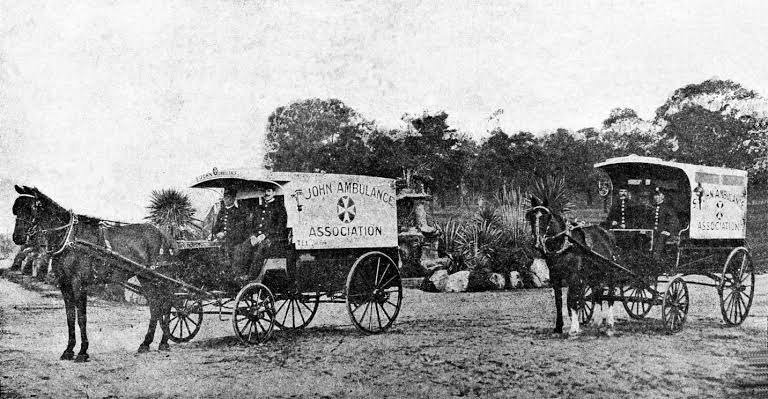
1. The Establishment of St John Ambulance (1883-1900s)
St John Ambulance, which originated in England, established itself in Australia in the 1880s, with its first division forming in Melbourne in 1883. This organisation played a crucial role in standardising first aid training and making it more accessible to the public. St John Ambulance volunteers provided emergency care at public events, workplaces, and during times of crisis, shaping the foundation of formal first aid education.
2. The Influence of World War I and II (1914-1945)
During both World Wars, first aid training became essential for soldiers and civilians alike. The need for emergency medical care on the battlefield and at home led to widespread first aid education initiatives. The Australian Red Cross and St John Ambulance trained volunteers in wound management, CPR (which was still in its early stages), and basic life-saving techniques.
Women, in particular, played a significant role in first aid efforts during wartime, with many serving as volunteer nurses and first aid providers. These experiences helped lay the groundwork for modern first aid training programs.
Post-War Developments and Modernisation

3. The Introduction of CPR (1960s-1970s)
One of the most significant advancements in first aid training was the introduction of cardiopulmonary resuscitation (CPR). In the 1960s, medical research led to the development of the modern CPR technique, which quickly became a staple of first aid training worldwide. Australian first aid organisations adopted CPR training, significantly improving survival rates for cardiac arrest victims.

4. Workplace First Aid Regulations (1980s-1990s)
As workplace safety laws strengthened in Australia, the importance of first aid training in occupational settings grew. The Occupational Health and Safety (OHS) Act 1984 and subsequent legislation made it mandatory for businesses to have trained first aiders on-site. This shift ensured that first aid training became a fundamental part of workplace safety programs, reducing injuries and saving lives.

5. The Rise of Defibrillator Use (2000s-Present)
In the early 2000s, automated external defibrillators (AEDs) became more widely available, revolutionising first aid response for cardiac emergencies. Defibrillator training was incorporated into first aid courses, ensuring that more Australians could confidently use these life-saving devices in public places, workplaces, and homes.

The Digital Age: Online and Blended First Aid Training
The rise of digital technology has transformed first aid training. While traditional face-to-face courses remain essential, blended learning models—which combine online theoretical learning with practical in-person assessments—have made first aid education more accessible than ever.
At GJS Business Solutions and Training, we embrace modern learning techniques to provide flexible, engaging, and effective first aid training. Our courses combine:
• Online modules for theoretical learning at your own pace
• Hands-on practical training with qualified instructors
• Workplace-focused scenarios to ensure real-world preparedness
This approach allows businesses and individuals to complete first aid training efficiently while maintaining high standards of competency.
The Future of First Aid in Australia
First aid will continue to evolve as new medical research, technology, and training methods emerge. Some key trends shaping the future of first aid training in Australia include:
• AI and VR in First Aid Training: Virtual reality (VR) simulations and artificial intelligence (AI) tools are being integrated into first aid courses, providing immersive and realistic training experiences.

• Mental Health First Aid: As awareness of mental health grows, first aid training now includes mental health first aid, equipping individuals to support those experiencing psychological distress.

• Community-Based First Aid Initiatives: Programs like Heart Safe Communities promote widespread access to CPR and AED training, ensuring that bystanders can act quickly in emergencies.
How GJS Business Solutions and Training is Leading the Way
At GJS Business Solutions and Training, we are committed to advancing first aid education by offering:
• Nationally accredited first aid courses tailored for individuals and workplaces
• Experienced trainers with real-world emergency response backgrounds
• Customised workplace training solutions to meet industry-specific needs
• Blended learning options for flexibility and convenience
We believe that everyone should have the confidence and skills to respond in an emergency. Whether you’re a business owner, a parent, or an employee, first aid training can make all the difference when seconds count.

Final Thoughts
The evolution of first aid in Australia has been a journey of innovation, dedication, and life-saving advancements. From its early roots in traditional healing and wartime necessity to the modern, technology-driven training available today, first aid has continually adapted to meet the needs of society.
At GJS Business Solutions and Training, we are proud to be part of this evolution, ensuring that individuals and businesses have the knowledge and skills to respond effectively to emergencies. By investing in first aid training, we are not only complying with safety regulations but also creating a safer and more prepared Australia.
Are you ready to take the next step in first aid training? Contact GJS Business Solutions and Training today and be part of Australia’s life-saving first aid journey.
