
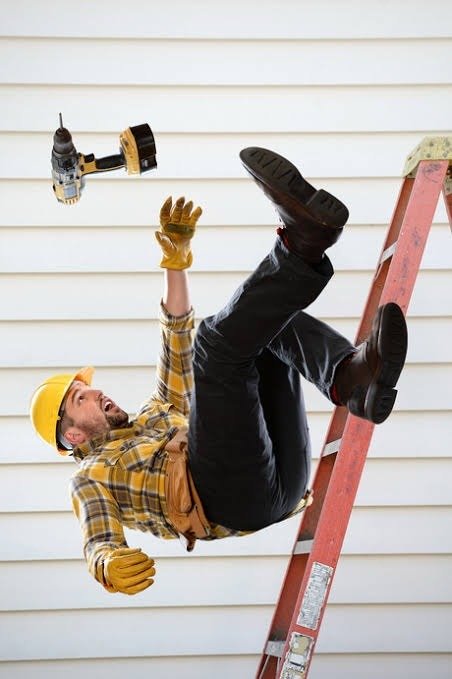
Falls from heights remain a significant concern in Australian workplaces, leading to severe injuries, fatalities, and substantial economic costs. Understanding the implications of these incidents, the industries most affected, and the importance of proper training is crucial for enhancing workplace safety.
The Human and Economic Costs of Falls from Heights
Falls from heights are among the leading causes of workplace fatalities and serious injuries in Australia. According to Safe Work Australia’s Key Work Health and Safety Statistics 2023, falls from a height accounted for 9% of worker fatalities, highlighting the severity of this issue.
The economic impact is equally alarming. Work-related injuries and illnesses, including those resulting from falls, cost the Australian economy an estimated $28.6 billion annually. These costs encompass medical expenses, compensation claims, lost productivity, and legal penalties.
Industries with Mandatory Working at Heights Training
Certain industries have a higher prevalence of working at heights and are therefore subject to mandatory training requirements:
Construction: Workers such as roofers, scaffolders, and electricians frequently operate at elevated levels, necessitating comprehensive height safety training. Manufacturing: Tasks involving machinery maintenance or accessing elevated platforms require workers to be trained in height safety protocols. Transport, Postal, and Warehousing: Employees often work on loading docks or elevated storage areas, making height safety training essential. Agriculture: Activities like tree pruning or working on silos involve height risks, underscoring the need for proper training.
Employers in these sectors are obligated to ensure their workers receive accredited training to mitigate the risks associated with working at heights.
The Risks for DIY Enthusiasts and Homeowners
It’s not only professionals who face risks from working at heights. DIY enthusiasts and homeowners undertaking tasks that involve climbing ladders or working above one meter are also vulnerable. The Australian Institute of Health and Welfare reported that falling from a ladder was the most common cause of DIY injuries, with men aged 65 and over being the most commonly hospitalised group due to these injuries.
These statistics highlight the critical need for safety awareness and training, even for non-professionals engaging in home maintenance tasks.
GJS Business Solutions and Training’s Working at Heights Course
Recognising the importance of height safety across various sectors and for individuals, GJS Business Solutions and Training offers a comprehensive “Working Safely at Heights” course. This program is designed to equip participants with the necessary skills and knowledge to perform tasks at heights safely, adhering to Australian industry standards and workplace safety requirements.
Course Highlights:
Risk Assessment and Management: Learn to identify potential hazards and implement effective control measures. Proper Use of Equipment: Gain hands-on experience with safety harnesses, ladders, and fall arrest systems. Compliance with Regulations: Understand the legal obligations and standards related to working at heights. Emergency Procedures: Develop skills to respond effectively to incidents involving falls.
By enrolling in this course, participants can significantly reduce the risk of falls and contribute to creating a safer work environment.
For more information or to enrol in the “Working Safely at Heights” course, please contact:
GJS Business Solutions and Training
Phone: 0435 901 221
Email: [email protected]
Investing in proper training is not just a regulatory requirement but a crucial step in safeguarding lives and ensuring workplace safety.
