
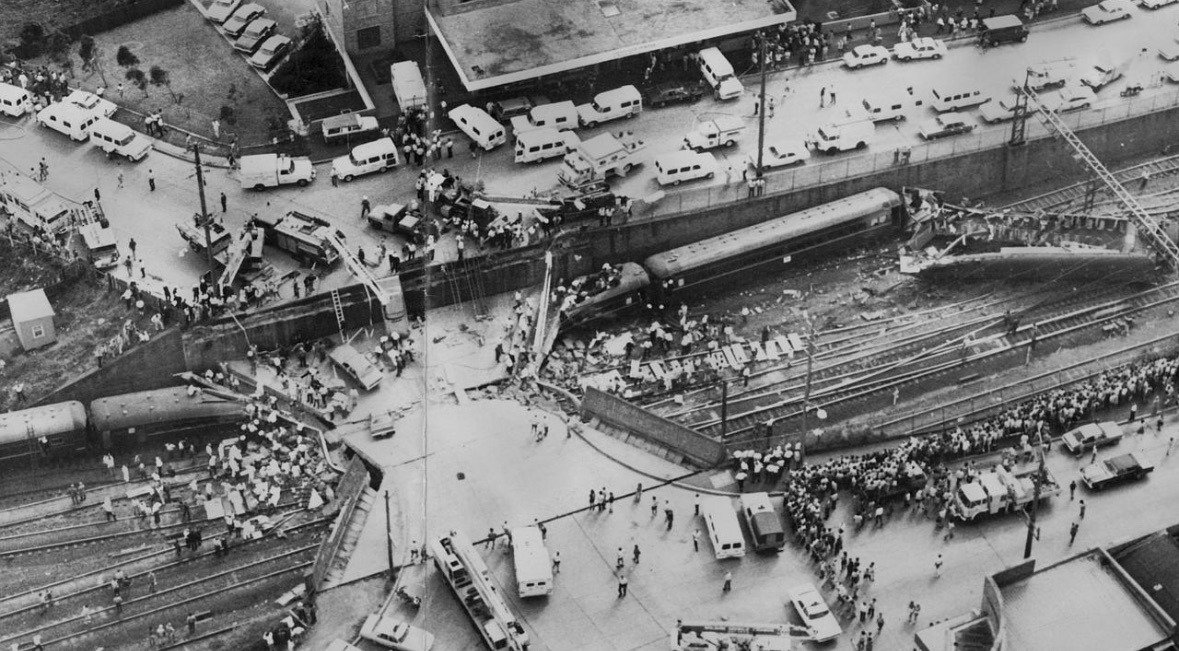
The Granville train disaster of 1977 stands as one of Australia’s most catastrophic rail accidents, profoundly influencing the nation’s approach to first aid and emergency response. This tragic event not only highlighted the vulnerabilities within existing emergency protocols but also acted as a catalyst for significant reforms in disaster management and pre-hospital care across Australia.
The Granville Train Disaster: A Brief Overview
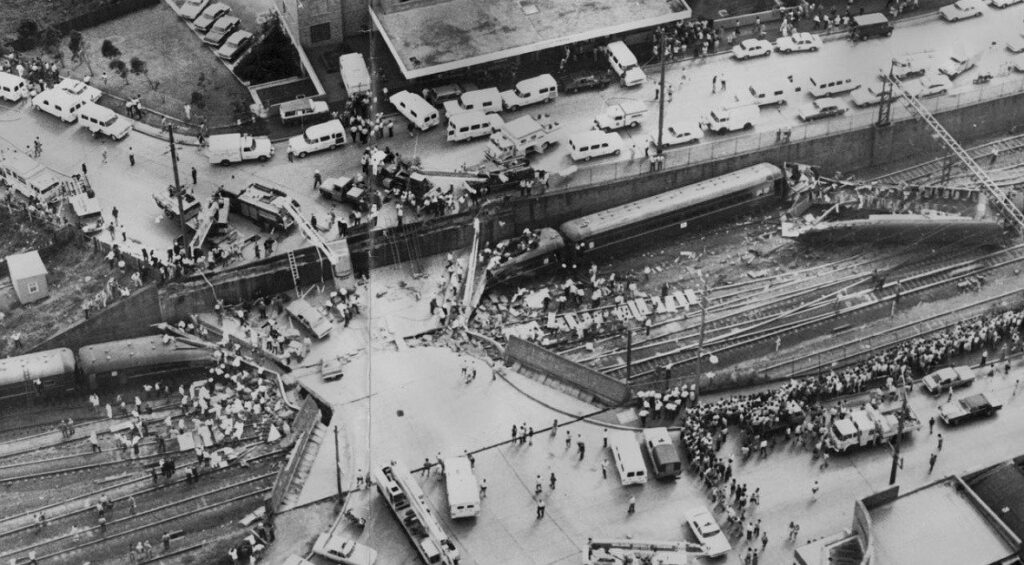
On the morning of 18 January 1977, a crowded commuter train derailed near Granville station in Sydney, causing the bridge above to collapse onto two passenger carriages. This horrific incident resulted in the loss of 83 lives and left 213 individuals injured, marking it as the deadliest rail disaster in Australian history.
Immediate Response and Challenges Faced
The initial response to the disaster involved a coordinated effort from various emergency services, including the police rescue squad, fire brigade, ambulance services, emergency medical teams, railway workers, and volunteer organisations. Despite their prompt arrival, responders encountered numerous challenges:
• Structural Instability: The collapse of the bridge created a precarious environment, hindering rescue operations and posing significant risks to both victims and rescuers.
• Resource Limitations: The magnitude of the disaster overwhelmed the available medical supplies and personnel, highlighting the need for better resource allocation in mass casualty incidents.
• Communication Barriers: Inefficient communication systems led to delays and confusion, underscoring the necessity for integrated communication protocols among emergency services.

Impact on First Aid Training and Practices
The Granville disaster served as a pivotal moment in recognising the importance of first aid training among both professionals and the general public:
• Enhanced Public Training: In the aftermath, there was a surge in public interest regarding first aid courses. Organisations like St John Ambulance, which had been providing first aid training since the late 19th century, experienced increased enrolments, reflecting a societal shift towards proactive preparedness.
• Curriculum Revisions: First aid training programs were updated to include scenarios involving mass casualties and disaster-specific protocols, ensuring that civilians could effectively assist in large-scale emergencies.
Reforms in Emergency Response Systems
Beyond first aid, the disaster prompted comprehensive evaluations and subsequent reforms in Australia’s emergency response framework:
• Establishment of Emergency Management Australia (EMA): Recognising the need for a unified approach to disaster management, the government strengthened the role of EMA, promoting coordination between federal, state, and local agencies.
• Integrated Communication Networks: Investments were made to develop robust communication systems, facilitating real-time information sharing among emergency responders and reducing the likelihood of miscommunication during critical operations.
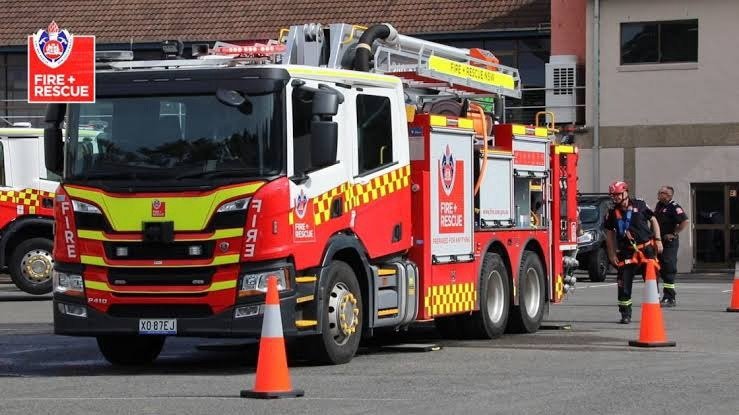
• Specialised Training for Responders: Emergency personnel underwent specialised training to handle complex rescue scenarios, ensuring a more efficient and effective response to future disasters.
Long-Term Outcomes and Legacy
The legacy of the Granville disaster is evident in several long-term outcomes:
• Community Resilience: Communities became more engaged in disaster preparedness initiatives, participating in drills and educational programs to bolster resilience against potential emergencies.
• Policy Development: The insights gained from the disaster informed national policies on infrastructure safety, emergency planning, and public health, leading to a more resilient and prepared society.
Conclusion
The Granville train disaster was a turning point in Australia’s approach to first aid and emergency response. The lessons learned from this tragedy led to significant improvements in training, coordination, and public awareness, ensuring that the nation is better equipped to handle future emergencies. By reflecting on such events, we acknowledge the importance of continuous evaluation and enhancement of our disaster preparedness strategies.
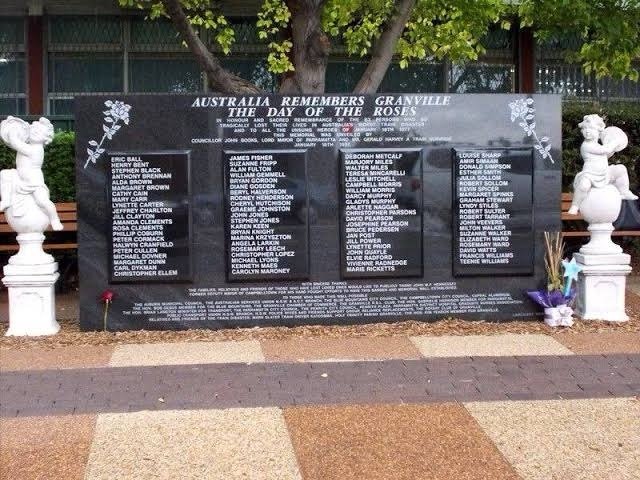
Railway Parade & Carlton Street, Granville, 2142
Note: This article incorporates information from various sources to provide a comprehensive overview of the impact of the Granville train disaster on first aid and emergency response in Australia.