
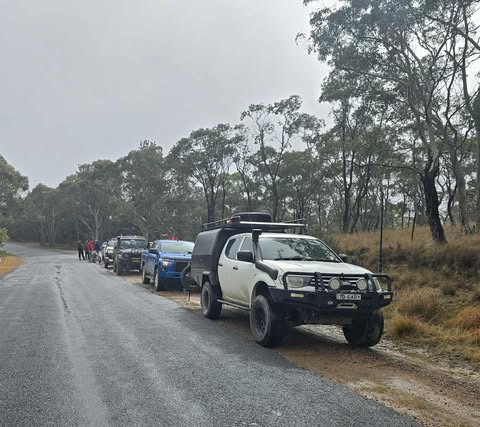
Off-road driving is a specialized form of motoring that involves navigating vehicles through terrains that are not paved or maintained. This activity is popular among adventure seekers and driving enthusiasts who seek the thrill of exploring challenging environments. The terrains encountered in off-road driving include sand dunes, dirt tracks, gravel roads, muddy paths, snow-covered surfaces, and rocky landscapes. Each of these terrains presents unique challenges that require specific driving techniques and vehicle capabilities.
In simple terms, off-road driving entails operating a vehicle on surfaces that are typically inaccessible or difficult to traverse with standard vehicles designed for paved roads. The activity demands a combination of skill, experience, and proper equipment to ensure safety and success. The primary appeal of off-road driving lies in its adventurous nature, offering a sense of exploration and the opportunity to experience nature in its raw form.
Driving on unpredictable terrains involves numerous hazards such as sudden drops, loose surfaces, water crossings, and obstacles like rocks and fallen branches. These conditions necessitate advanced driving skills, including precise throttle control, vehicle handling, and the ability to read terrain. Additionally, understanding vehicle dynamics and the use of auxiliary equipment like winches, lockers, and tire deflators can significantly enhance safety and performance.
Given the complexities of off-road environments, proper training is essential for enthusiasts aiming to improve their skills and ensure safety. 4WD training courses are designed to teach drivers how to handle various terrains effectively. These courses cover essential topics such as vehicle recovery techniques, navigation, hazard recognition, and environmental responsibility. Participants learn how to operate their vehicles in challenging conditions, minimizing risks and maximizing enjoyment.
Off-road driving is an exhilarating activity that combines adventure with technical skill. To fully enjoy this pursuit while maintaining safety, participation in comprehensive 4WD training courses is highly recommended. These courses equip drivers with the necessary knowledge and skills to navigate challenging terrains confidently and responsibly, ensuring a rewarding off-road experience.
This course is ideal for:
A well-prepared response to a operating a four-wheel drive vehicle can prevent drivers encountering situations that they are not competent in handling, and ensure a swift and safe resolution. This course provides:
Practical, real-world training in 4WD operations
Instruction from experienced emergency response professionals
Hands-on practical exercises to reinforce safe preparation and operation of a 4wd vehicle
A Nationally recognised Statement of Attainment will be issued upon successful completion of this course
Face-to-face training: Typically 8 hours, including practical exercises.
Extended courses including overnight stays can be arranged with consultation
The following units will be included in your certificate:
Additional units can be included at an additional cost
Course durations can vary for multiple reasons, so the durations below are a guide.
| Refresher min. duration | N/A |
| Blended min. duration | N/A |
| Face-to-face min. duration | 8 Hours |
| Online with face-to-face min. duration | N/A |
An individual undertaking this course with Health Security Education Pty Ltd will need to demonstrate the following to be eligible for entry:
Please contact us if you cannot meet the Entry Requirements before enrolling.
Individuals undertaking this course will be expected to complete both written and practical assessment tasks.
Certificate provided on completion of both – nil recognition can be given if you fail to complete one or both tasks.


Performance tasks and practical scenarios:
Practical Assessment components
*Students must successfully demonstrate all of the following activities students will be allowed up to two attempts to successfully complete the practical activities
Performance Evidence
Evidence of the ability to complete tasks outlined in elements and performance criteria of this unit in the context of the job role and