Use safe rigging practices to climb and perform rescues on telecommunications network structures

ICTTCR203

Use safe rigging practices to climb and perform rescues on telecommunications network structures

Price
$450
Course Overview:

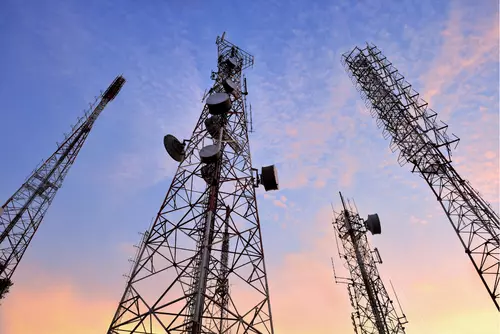
This hands-on course develops the practical skills and knowledge required to assess risks, use rigging equipment safely, and climb and perform rescues on telecommunications network structures. It’s ideal for technical staff who work in teams and are required to access towers, poles, guyed masts, silos, or energy infrastructure, or similar structures as part of their role. The course also includes essential knowledge on managing radio frequency (RF) electromagnetic radiation (EMR) hazards.

You’ll gain real-world experience in:

  • Climbing telecommunications and similar tower-like structures using safe and approved techniques
  • Transferring between climbing and working systems using fall prevention methods
  • Performing rescues of stranded or injured workers
  • Developing core abseiling and rope skills to support both access and rescue operations

This training is highly practical and physically demanding. You must be willing and capable of ascending and descending ropes and operating safely at height.

Learning Outcomes

On completion of the course, participants will have gained the following skills and knowledge to:

  • Prepare to use safe rigging practices
  • Assess the status and condition of telecommunications network structures and identify the climbing route
  • Prepare climbing equipment
  • Climb telecommunications network structures
  • Use climbing and working fall arrest systems
    Perform rescues
Entry Requirements

An individual undertaking this course will need to demonstrate the following to be eligible for entry:

  • An official form of photo identification (e.g., driver’s licence, passport, or student ID).
  • This course involves practical training and assessment activities that require a moderate to high level of physical fitness and mobility. Participants must be willing and able to move about at height, including ascending and descending ropes on towers and other high structures. To ensure safety and demonstrate the required competency, participants must be physically capable of:
    • Climbing and working on elevated structures using their own strength
    • Lifting and carrying equipment weighing up to 15 kg from ground level to overhead
    • Working in tight or awkward spaces
    • Accessing and operating safely at heights greater than 3 metres
    • Maintaining sustained physical positions (e.g., kneeling, crouching, or lying prone) during simulated rescue scenarios
  • It is recommended that participants have prior experience working at heights and are familiar with the use of height safety equipment such as harnesses, lanyards and fall protection systems
  • Arrive in suitable attire, including comfortable long pants, a long-sleeved shirt and protective footwear with grip, climbing helmet, gloves and worn during the practical sessions and assessment.
  • Have the foundational skills aligned with the Australian Core Skills Framework (ACSF) at Level 3 including:
    • Learning: Follow instructions, identify hazards, complete risk assessments, and ask for clarification when needed
    • Reading: Read and interpret regulations, workplace procedures, signage, and operational instructions related to the scenarios provided and equipment use
    • Writing: Complete forms, write short notes (such as field notes or incident reports), and clearly record key details from rescue operations
    • Oral Communication: Communicate clearly and listen carefully when receiving or giving instructions, especially in team-based, noisy, or time-sensitive situations.
    • Numeracy: Use numbers to support safe working operations, for example, calculating fall clearance distances and interpreting equipment ratings.
    • Digital Literacy: Able to use a mobile phone or basic device to read messages, follow online instructions, complete online forms or access learning resources.
Why Choose This Course?

A well-prepared response to Use safe rigging practices to climb and perform rescues on telecommunications network structures can prevent escalation, minimise risks, and ensure a swift and safe resolution. This course provides:

  • Practical, real-world training in responding to medical emergencies

  • Instruction from experienced emergency response professionals

  • Hands-on exercises to reinforce necessary skills 

  • nationally recognised qualification upon successful completion

Assessment and Certification:

Performance tasks:

  • Use safe rigging practices to climb and perform a rescue on a telecommunications network structure
  • Use safe rigging practices to climb and perform a rescue on a telecommunications network structure

Documentation – The student must complete all documentation according to the required standard:

  • Risk Assessment
  • Two (2) Working at Heights Rescue Plan

Theory assessment –   A written assessment consisting of short-answer and multiple-choice questions. The student must complete all assessment questions correctly.

Upon completion, participants will receive a Statement of Attainment.


Course Duration and Delivery:

This training is available in different delivery formats to accommodate workplace needs:

  • Course Durations:

    Course durations can vary for multiple reasons, so the durations below are a guide.

    Refresher min. duration5 Hours
    Blended min. durationN/A
    Face-to-face min. duration8 Hours
    Online with face-to-face min. durationN/A
Enrol Today!

Enhance your emergency preparedness with our Respond to Facility Emergencies course. Enrol today to gain the confidence and skills needed to act quickly and effectively in emergency situations.

For more information or to book your training session, contact us now!
Units Delivered:
Course Delivery:
This course can be delivered/assessed in the workplace or at facility organised by the training provider.
 
GJS business Solutions and Training can train throughout NSW and also has a dedicated training room at Jamisontown near Penrith, NSW.
Provider of training
Please feel free to contact us for group bookings greater than 5 for a discount.
 

The following units will be included in your certificate:

  • ICTTCR203 – Use safe rigging practices to climb and perform rescues on telecommunications network structures


Entry Requirements:

An individual undertaking this course with Allens Training Pty Ltd will need to demonstrate the following to be eligible for entry:

Participants must have the physical capacity to perform the practical demonstrations, such as 2 minutes of uninterrupted CPR on the floor and rescue breathing techniques on manikins.

Online study:  Students must have access to a computer, smartphone, tablet or other electronic devices with access to the internet to complete the online/ pre-course studies.

Please contact us if you cannot meet the Entry Requirements before enrolling. 

Assessment Requirements:

Individuals undertaking this course will be expected to complete both written and practical assessment tasks.

Certificate provided on completion of both –  nil recognition can be given if you fail to complete one or both tasks. 

Certificate Renewal Requirements:

This certificate has an industry recommended renewal period of 12 months

Learner Rights, Responsibilities & Support:
Please note that enrolment to this course is made with Allens Training Pty Ltd RTO 90909. Please refer to the student handbook located on the RTO website allenstraining.com.au (https://allenstraining.com.au/students/student-handbook) for all details relating to rights and responsibilities including complaints and appeals.
 
Assessment Activities:

Performance tasks and practical scenarios:

  • Perform CPR on an adult (incl. the use of an AED and placing a casualty into the recovery position)
  • Perform CPR on an infant

Theory assessment: A written assessment consisting of multiple-choice questions.