
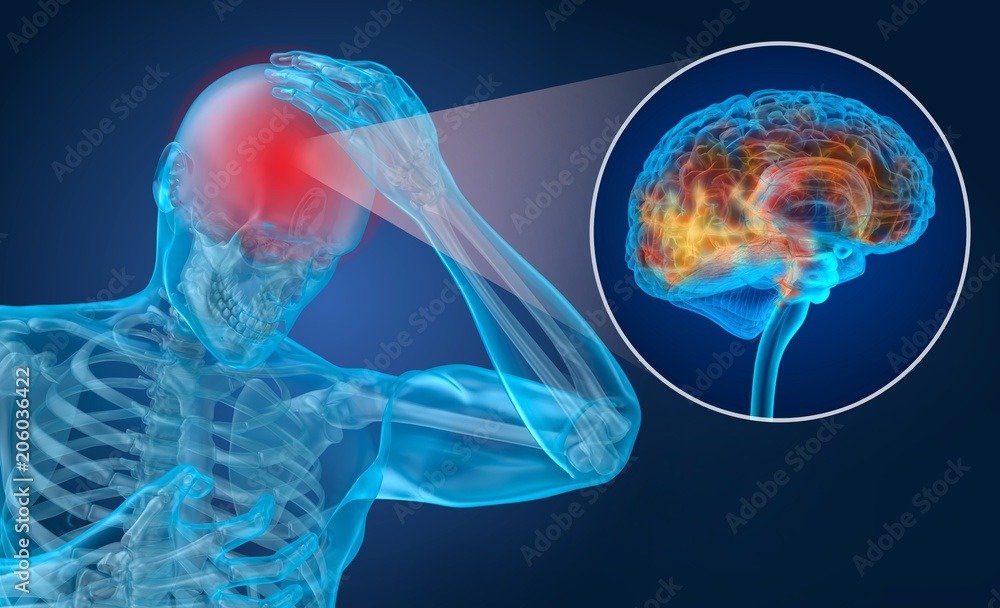
Concussions have become a major concern in contact sports – and rugby league is no exception. From high tackles to heavy collisions, NRL players endure frequent head knocks. While a single concussion is serious on its own, repeated concussions can cause compounding damage with potentially devastating long-term effects. Studies have linked multiple head injuries to chronic neurological disorders like chronic traumatic encephalopathy (CTE), a degenerative brain condition, and progressive cognitive decline . In response, the National Rugby League (NRL) has implemented stricter protocols – such as the Head Injury Assessment (HIA) – to better protect players. Yet the risks remain very real, as evidenced by legendary players like Wally Lewis and Mark “Spudd” Carroll now grappling with concussion-related health issues years after retiring.
In this post, we’ll explore the dangers of repeat concussions based on the latest scientific research, explain how the NRL’s HIA protocol works to safeguard athletes, discuss the experiences of former NRL stars suffering from head trauma effects, list the key signs and symptoms of concussion, and outline recommended treatments and first aid steps (per Australian Resuscitation Council guidelines). By understanding both the immediate and long-term consequences of concussion, we can appreciate why player welfare must always come first in rugby league.
Why Repeated Concussions Are So Dangerous
A concussion is more than just “getting your bell rung” – it’s a traumatic brain injury. Suffering one concussion increases risk for another, and multiple concussions have a cumulative effect on the brain. Over time, repeated trauma can lead to long-term impairments in brain function. In fact, recent research confirms that each additional concussion can worsen an athlete’s brain health. A 2023 study from the University of Oxford (the largest of its kind with 15,000 participants) found that people who reported three or more concussions had significantly worse cognitive function in later life, particularly affecting memory and complex attention . Moreover, each subsequent concussion was linked to progressively worse brain function as the brain aged . In short, the more head knocks you sustain, the more your ability to think, remember and process information may decline over time.
One of the most feared long-term consequences of repeat concussions is Chronic Traumatic Encephalopathy (CTE). CTE is a degenerative brain disease caused by repeated head injuries, and experts consider it the only preventable form of dementia since it’s directly linked to trauma . This condition develops over years or decades, slowly damaging brain tissue. CTE affects brain function over time and can result in changes in mood, personality, behaviour, and cognitive function . In practical terms, individuals with CTE may experience memory loss, confusion, impaired judgment, depression, aggression, and eventually severe dementia. The catch is that CTE can only be definitively diagnosed after death, but its signs in life (such as progressive memory and thinking problems) are strongly associated with a history of repeated concussions.
Another danger of repeat concussions is the risk of sustaining a new head injury before fully recovering from the last – sometimes called second-impact syndrome. If a player returns to play too soon and suffers another concussion, the brain – still in a vulnerable state – can react catastrophically. Swelling in the brain may accelerate, leading to serious complications like brain bleeds or even fatal outcomes in rare cases. For this reason, the NRL’s medical guidelines stress that a player with a suspected concussion must be removed from play immediately and not return the same day . Continuing to play with concussion symptoms can greatly worsen the injury. It’s far better to miss a game than to risk permanent brain damage.
In summary, repeated concussions pose a serious threat to long-term health. They increase the risk of chronic brain conditions like CTE, contribute to earlier cognitive decline, and can have compounding effects that make each injury more dangerous than the last. No sporting victory is worth a player’s mind and memories. This is why sports bodies worldwide – including the NRL – have taken action to better manage head injuries.
NRL’s Head Injury Assessment (HIA) Protocol: Protecting Players
To address the concussion crisis, the NRL has implemented a comprehensive Head Injury Assessment (HIA) protocol designed to identify and manage concussions during games. The HIA protocol ensures that any player with a potential head injury is evaluated promptly and kept off the field if there’s any sign of concussion. It’s a crucial safety net intended to put player health ahead of the scoreboard.
Under the current NRL system, an independent doctor watches each game (from the “Bunker”) to spot signs of concussion that on-field officials might miss . When a heavy knock or collision occurs, this doctor can call for an HIA. The protocol defines two categories of head impact events:
• Category 1: These are clear, visible signs of concussion – often called “no-go” symptoms. Category 1 signs include a player losing consciousness, having a seizure, showing obvious balance disturbance (stumbling or wobbling), or not using their arms to protect themselves as they fall . If any Category 1 criteria are observed, it’s an automatic concussion diagnosis. The player is immediately ruled out for the rest of the match and begins the formal concussion recovery protocol. There is no HIA test needed at that point – the visual evidence of a concussion is enough. That player will not return to the field that day, and will be subject to the NRL’s mandatory stand-down period for concussions (usually 11 days) .
• Category 2: These cases are head knocks where the signs are not as obvious. The player might be stunned or hit in the head but isn’t exhibiting Category 1 symptoms. In Category 2 scenarios, the player is removed from the field for a Head Injury Assessment test conducted by the team doctor off-field . This is a standardized 15-minute evaluation checking memory, balance, and other cognitive functions. If the player passes the HIA test (showing no signs of concussion), they can be cleared to return to play in the same game . However, if they fail the HIA (meaning concussion is confirmed or cannot be ruled out), they are ruled out for the rest of the match and treated as concussed.
Crucially, when a concussion is confirmed (through either Category 1 or a failed HIA Category 2), the NRL’s return-to-play protocol kicks in. In 2023 the NRL introduced a mandatory 11-day stand-down for any player diagnosed with a concussion . This means a concussed player cannot participate in a match for at least 11 days, ensuring they miss at least the next week’s game. During this period, the player must follow a Graduated Return-To-Sport (RTS) strategy, which is essentially a step-by-step recovery and reconditioning program . There are typically six stages in the RTS, each lasting a minimum of 24 hours (often longer) . For example, the player might start with complete rest until symptoms subside, then progress to light aerobic exercise, then to sport-specific drills (with no contact), next to non-contact training, and only after several days of being symptom-free can they resume full-contact practice . The final clearance for return to competition must come from a doctor. Under these rules, the earliest a concussed player can play again is Day 11 after the injury – and only if they have successfully passed each recovery stage without symptoms.
This HIA protocol, including independent medical surveillance and enforced recovery periods, aims to prioritise player safety. It recognises that concussion symptoms can be delayed or hidden, so it errs on the side of caution. In addition, the NRL allows for an extra free interchange (substitution) when a player is taken off for an HIA, removing any disincentive for teams to report head knocks. While no system can prevent every concussion, the HIA protocol is an important step in minimising the risk of serious brain injury. It ensures players get proper medical assessment and aren’t rushed back into the fray, reducing the chance of compounding injuries. The mantra is clear: when in doubt, sit them out.
Long-Term Impacts: NRL Legends Living with Concussion Effects
The true cost of repeated concussions becomes heartbreakingly clear when looking at former players. In recent years, several retired rugby league greats have come forward with stories of memory loss, early-onset dementia, and probable CTE – all believed to stem from the countless hits they took in their playing days. Their experiences underscore why today’s precautions are so critical. Two high-profile examples are Wally Lewis and Mark “Spudd” Carroll, whose post-footy health struggles highlight the long-term risks of head trauma in rugby league.
Wally Lewis – Living with Probable CTE
Wally Lewis is rugby league royalty – a Hall of Famer often called “The King” for his dominance in the 1980s State of Origin arena. Yet decades after his glittering career, Lewis is facing a battle no amount of toughness can easily win: the effects of repeated brain injury. In 2023, Wally Lewis publicly revealed that he has been diagnosed with probable CTE . Now in his mid-60s, Lewis opened up about his condition, becoming an advocate for concussion awareness. He described the frightening memory loss and cognitive issues he experiences, saying it’s like watching “the tapestry of [his] memories begin to unravel,” leaving him in constant fear that he’ll forget important names, faces or let people down .
Lewis’s diagnosis of probable CTE (it can only be confirmed for sure via post-mortem examination) was made by specialists after observing his symptoms and history of head knocks. As a player in the 1970s and 80s, Lewis endured many heavy collisions in an era with limited concussion protocols – it was common to simply “shake it off” and continue playing. The toll of those untreated concussions likely accumulated over time. Today, as a Dementia Australia ambassador, Wally Lewis is calling for greater support for former players and more research into sports-related brain injury. His message is that CTE needs to be taken seriously – it’s a preventable tragedy that we owe it to current and future athletes to try to prevent. “We only get one brain,” Lewis has stressed, and he’s urging both the government and sporting codes to invest in protecting it . His story is a sobering reminder that the impacts of concussions can strike long after the final whistle, changing a hero of the game into a patient battling a debilitating condition.
Mark ‘Spudd’ Carroll – A Stark Warning
Another rugby league icon, Mark “Spudd” Carroll, has also spoken out about the price he’s paying for years of bone-rattling tackles. Carroll was a fearless front-row forward in the 1990s, renowned for his physical style of play with Manly and South Sydney. In 2023, at age 56, Mark Carroll revealed that doctors told him he is likely suffering from CTE – a direct result of the repeated head knocks he sustained during his career . This news came after Carroll underwent brain scans and tests, prompted by seeing fellow ex-player Mario Fenech’s battle with early dementia. The diagnosis was devastating for him: “Mate, I just broke down in tears,” Carroll admitted, recalling the moment specialists confirmed the extent of his brain damage . He even found himself asking the doctors, “Am I going to die?” – highlighting how scary and serious the prospect of CTE felt.
Carroll has since become an outspoken advocate for player welfare. He has publicly called on the NRL to do more to support former players dealing with concussion-related conditions, arguing that the league has a duty of care to those who built the game . One of his chief suggestions is that the NRL fund regular brain scans and medical checks for retired players, to catch issues early. He also encourages current players to be honest about concussion symptoms and not hide them – a tough ask in a culture that traditionally prizes toughness. Mark “Spudd” Carroll’s situation is a stark warning: even for the toughest of rugby league enforcers, repeated head trauma can have dire consequences later in life. His courage in sharing his story has further pushed the conversation about CTE into the spotlight, reinforcing why modern concussion protocols (like the HIA and mandatory rest) are so important. No player, no matter how tough, is invincible to the effects of brain trauma.
Both Lewis and Carroll exemplify a painful truth: the impacts of concussions don’t always end when an athlete’s career does. Many ex-players are now confronting neurological issues that likely tie back to their playing days. Their experiences have sparked increased research and even a Senate inquiry in Australia into concussion in sport. For current and future players, these legends’ stories serve as a powerful reminder to take every head knock seriously. The hope is that with better awareness, improved protocols, and medical support, the next generation of players won’t have to face the same hardships.
Signs and Symptoms of Concussion
Recognising a concussion early is crucial. Not every concussion involves a loss of consciousness – a player can be concussed even if they never black out. Sometimes the signs are subtle and can be missed if you’re not looking for them. Right after a head impact (or within minutes to hours), an athlete might seem a bit “off” without obvious injury. It’s important for coaches, trainers, teammates, and even the players themselves to know the warning signs. Signs and symptoms of concussion include :
• Loss of consciousness (even briefly) after a blow to the head.
• Confusion or disorientation, such as being unsure of where they are or what they’re doing.
• Headache (often described as pressure in the head).
• Nausea or vomiting.
• Dizziness or balance problems (feeling unsteady on their feet).
• Blurred vision or “seeing stars”.
• Memory loss, especially loss of short-term memory (for example, forgetting the collision itself or the minutes surrounding it).
• Repeating questions or comments, asking the same thing over and over (indicative of memory lapses).
A concussed person might also exhibit irritability or mood changes, feel sluggish or groggy, or report that they just “don’t feel right.” In the minutes immediately after a concussion, they may be slow to get up, or have a blank stare. Any of these symptoms following a head impact should raise concern for concussion. It’s better to err on the side of caution – if a player shows one or more of these signs, they should be removed from play and assessed. Symptoms can develop later as well, so continued monitoring is important. Remember: a concussion is an invisible injury to the brain, so we have to rely on these outward signs and the player’s reported feelings to detect it.
Immediate Treatment and Recovery (ARC Guidelines)
Proper first aid and management of a concussion can significantly affect the outcome. The Australian Resuscitation Council (ARC) provides clear guidelines on what to do if you suspect someone has a concussion or head injury. Here are the key steps for on-field treatment and early care, which apply to sports settings and everyday accidents alike:
• Remove the player from danger: If the injury happened on the field, play should be stopped. Ensure the person is in a safe environment away from further harm. Do not let them continue playing or training – their brain needs a rest immediately .
• Follow DRSABCD: This is the standard first aid action plan – Danger, Response, Send for help, Airway, Breathing, CPR, Defibrillation. In simpler terms, check the person’s responsiveness and vital signs and call for emergency help if needed . If the person is unconscious, make sure their airway is open and they are breathing. Do not move them unnecessarily (in case of a neck injury) – but if they are unresponsive or vomiting, gently roll them onto their side into the recovery position while supporting their head and neck in a neutral alignment . This position helps keep the airway clear. Never twist the head or neck; keep it straight with the spine. If there’s any blood or fluid coming from the ear, place that side downward to allow it to drain, and put a clean pad under the ear to catch the fluid . Monitor their breathing and level of consciousness continuously . If they stop breathing or you cannot detect a pulse, begin CPR immediately and have someone fetch a defibrillator if one is available.
• If the person is conscious: Keep them at rest and under close observation . Have them sit down or lie down comfortably. If you’re confident there’s no neck or spinal injury, it can help to slightly raise their head and shoulders (for example, have them sit propped up or semi-recumbent) . This can ease blood flow and swelling. However, if a neck or spine injury is suspected (or if you’re unsure), do not move them – instead, keep them lying flat and manually support their head to prevent any movement (you can use rolled towels or clothing on either side of the head as makeshift braces). Reassure the person – keep them calm and still. They might be confused, so explain simply that they’ve had a head injury and need to rest. Observe them closely for any changes: watch for worsening symptoms like increasing confusion, repeated vomiting, severe headache, or drowsiness . If any red flag symptoms appear (such as seizures, weakness in limbs, or unequal pupils), this is an emergency – get medical help immediately.
• Call for medical help: Even if symptoms seem mild, always seek professional medical assessment for a concussion. Ideally, have an ambulance take the person to a hospital or see that a doctor evaluates them as soon as possible . It’s better to be safe – a doctor can determine if imaging (like a CT scan) is needed or if it’s safe to send the person home with monitoring instructions. When in doubt, call Triple Zero (000) for an ambulance, especially if the person was unconscious even briefly or has any concerning signs. Never leave a concussed person alone – have someone stay with them until medical professionals take over, as their condition can change rapidly.
• Follow medical advice for recovery: In the hours and days after a concussion, rest is the cornerstone of treatment. The injured person should avoid physical activity and cognitive strain (no training, no heavy exercise, and even limiting tasks like reading or screen time initially, as advised by the doctor). A common recommendation is complete rest for 24-48 hours, then a gradual return to light activity if symptoms allow, following a schedule given by healthcare providers. They must not return to play or full activity until cleared by a doctor – for athletes, this typically means following a graduated return-to-sport plan as discussed in the NRL protocol. Over-the-counter pain relievers (like paracetamol) can help headaches, but avoid anti-inflammatory drugs like ibuprofen in the first 24 hours (they can increase risk of bleeding). It’s also advised to avoid alcohol and sedatives after a concussion, as these can mask symptoms and slow recovery. Close observation by a friend or family member for 24-48 hours is often recommended; if the injured person’s symptoms worsen or new symptoms appear, seek medical attention immediately.
By adhering to these treatment steps, we give the person the best chance for a full recovery and reduce the risk of complications. The Australian Resuscitation Council’s guidelines emphasise that the welfare of the patient is the top priority – when it comes to head injuries, it’s better to “if in doubt, sit them out” and get them checked. As the NRL’s own policy says, the player’s well-being in both the short and long term must always come first, and any concussion or suspected concussion requires urgent medical assessment .
In conclusion, concussions in sports like rugby league are a serious issue that demands respect and caution. The science is clear that repeated head injuries can lead to lifelong problems – from cognitive decline to conditions like CTE. Thankfully, awareness in Australia is growing. The NRL’s HIA protocol and mandatory rest periods show that the sport is evolving to better protect its players. But rules and protocols are only effective if everyone – players, coaches, medics, and fans – takes concussions seriously. We’ve seen the consequences in heroes like Wally Lewis and Mark Carroll, and we owe it to them and future generations to continue improving safety in the game. Rugby league may be a tough sport, but there’s nothing tougher than facing the challenges of a damaged brain. By recognising injuries, adhering to protocols, and prioritising brain health over brave returns, we can enjoy the sport while safeguarding the people who play it. After all, you can replace a season or a trophy – you can’t replace a brain.

References
1. Australian Resuscitation Council (ARC). (2024). Guidelines on the Management of Head Injuries and Concussions. Retrieved from www.resus.org.au
2. Brain Foundation Australia. (2023). Concussion and Traumatic Brain Injury. Retrieved from www.brainfoundation.org.au
3. National Rugby League (NRL). (2024). Head Injury Assessment (HIA) Protocol. Retrieved from www.nrl.com
4. University of Oxford. (2023). Concussion Study Links Multiple Head Injuries to Cognitive Decline. Retrieved from www.ox.ac.uk
5. Concussion in Sport Australia. (2023). Guidelines for the Management of Concussion in Australian Sport. Retrieved from www.concussioninsport.gov.au
6. Rugby League Players Association (RLPA). (2024). Protecting Players from Concussion: Current Policies and Future Directions. Retrieved from www.rlpa.com.au
7. Mayo Clinic. (2023). Chronic Traumatic Encephalopathy (CTE): Symptoms and Causes. Retrieved from www.mayoclinic.org
8. ABC News Australia. (2023). NRL Legend Wally Lewis Diagnosed with Probable CTE, Calls for Greater Awareness in Rugby League. Retrieved from www.abc.net.au
9. Sydney Morning Herald. (2023). Mark ‘Spudd’ Carroll Speaks Out on Concussion Battle and CTE Fears. Retrieved from www.smh.com.au
10. Neuroscience Australia. (2024). Understanding the Long-Term Effects of Repeated Concussions in Athletes. Retrieved from www.neuroscience.org.au