
Introduction
As Tropical Cyclone Albert barrels toward the Australian coastline, emergency services are warning residents to prepare for power outages, flooding, and dangerous winds. When severe weather cuts off electricity, many households and businesses turn to portable petrol generators to keep essential appliances running.
But there’s a deadly risk many people overlook: running a petrol generator inside your home, garage, or even under a covered patio can be fatal. At GJS Business Solutions and Training, we’re passionate about helping Australians prepare for disasters safely — and that includes understanding the right and wrong ways to use emergency equipment like generators.
Why Do People Use Generators During Storms and Cyclones?
Tropical cyclones like Albert can leave entire communities without power for days — or even weeks. In these situations, a petrol generator becomes a lifeline, powering fridges, lights, medical equipment, or communication devices.
But in the rush to restore power, safety can be forgotten. This is when life-threatening mistakes happen, especially when people try to operate generators indoors.
The Silent Killer: Carbon Monoxide Poisoning
The biggest danger of running a petrol generator inside your home is carbon monoxide poisoning.
What is Carbon Monoxide (CO)?
Carbon monoxide is an invisible, odourless, and tasteless gas produced when petrol, diesel, or other fuels burn. In confined spaces, CO builds up quickly, replacing oxygen in the air. Breathing it in can cause poisoning in minutes.
Symptoms of Carbon Monoxide Poisoning
• Headache
• Dizziness
• Nausea and vomiting
• Confusion
• Shortness of breath
• Loss of consciousness
In severe cases, carbon monoxide exposure can lead to death.
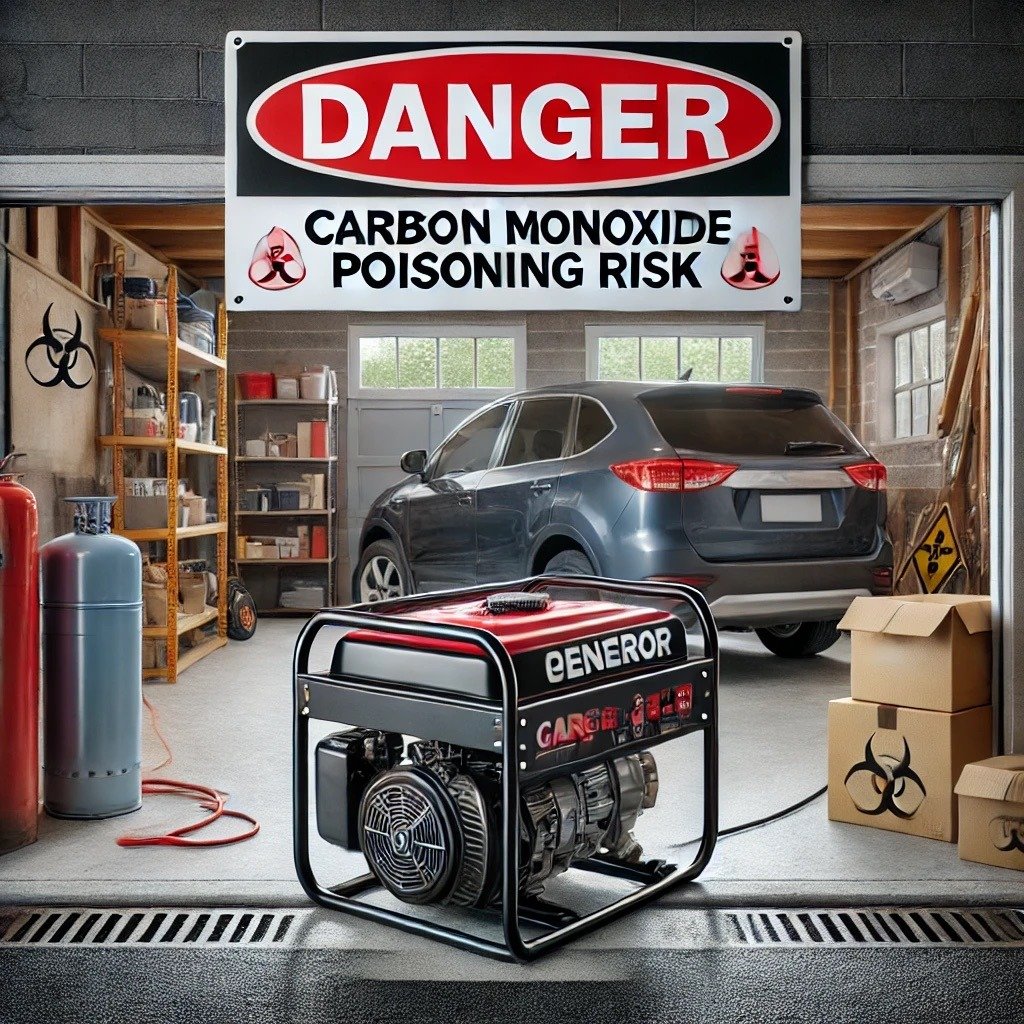
Why Indoor Generators Are So Dangerous
Running a generator in enclosed spaces like:
• Garages
• Sheds
• Covered patios
• Indoors (even near open windows)
… allows carbon monoxide to build up faster than you can ventilate it. Even with the door open, fumes can accumulate to lethal levels within minutes.
Case Study: Australian Family Hospitalised After Cyclone Generator Incident
Following Cyclone Debbie in 2017, a Queensland family was hospitalised after running their petrol generator inside the garage to power their fridge and phone chargers. Despite opening the garage door, carbon monoxide filled the home.
This near-tragedy highlights a critical lesson: There is no safe way to use petrol generators indoors.
Other Hidden Dangers of Indoor Generator Use
Fire and Explosion Risk
Petrol is highly flammable. Spilled fuel, leaking vapours, or accidental contact with hot surfaces can trigger devastating fires, particularly in garages or sheds where other flammable items (like paints, oils, or cleaning chemicals) are stored.
Electrical Hazards
Indoor generator use also increases the risk of electrical shock if improperly wired or exposed to moisture — which is common during cyclones and flooding events.
Safe Generator Use During Tropical Cyclone Albert
At GJS Business Solutions and Training, we strongly recommend following these life-saving safety tips:
1. Always Use Generators Outdoors
Place the generator at least 6 metres away from your home, with the exhaust pointing away from windows, doors, and vents.
2. Keep It Dry and Elevated
Position the generator on a dry, stable surface, elevated to avoid floodwater. Use a generator tent or canopy if necessary (without enclosing the generator itself).
3. Never Run Generators in Semi-Enclosed Spaces
Patios, carports, and sheds may seem ventilated, but they trap carbon monoxide.
4. Install Battery-Powered Carbon Monoxide Alarms
These alarms can be lifesavers, especially during storm events when ventilation systems or power may fail.
5. Fuel Safely
• Allow the generator to cool before refuelling.
• Store petrol outside in approved containers.
• Keep children and pets away from both the generator and fuel supply.
Emergency Management and First Aid Training Saves Lives
During disasters like Tropical Cyclone Albert, preparation and knowledge can mean the difference between survival and tragedy. That’s why GJS Business Solutions and Training offers specialised courses in:
– Emergency Management and Disaster Preparedness
Learn how to plan, respond, and recover safely during natural disasters. We cover topics like generator safety, emergency power solutions, flood response, and more.
– First Aid for Cyclone and Storm Emergencies
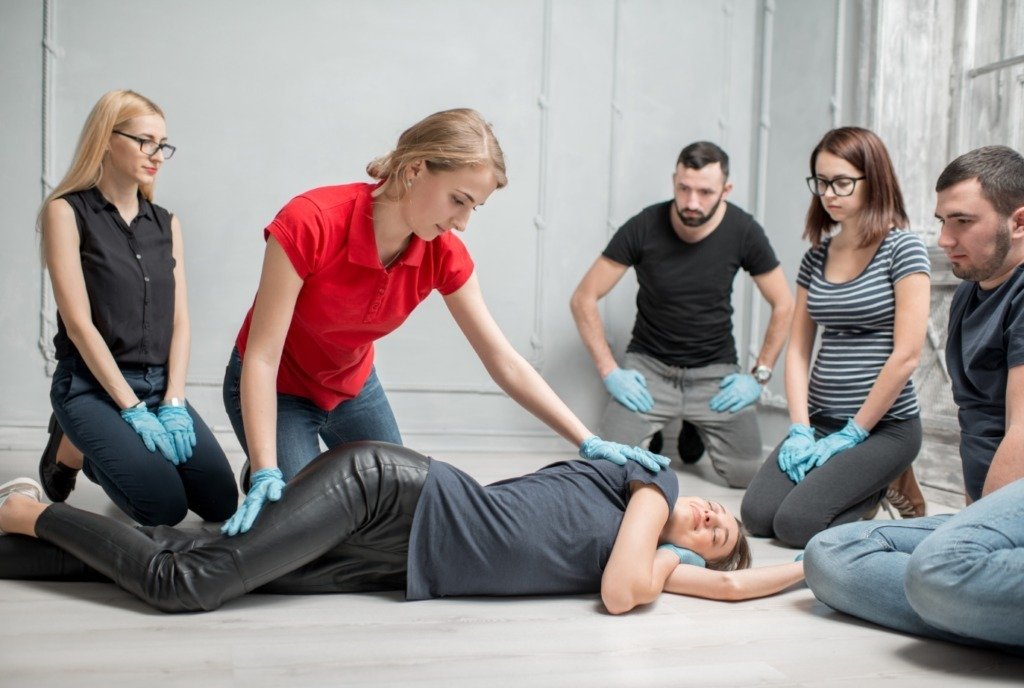
Do you know how to recognise carbon monoxide poisoning or treat a generator-related injury? Our comprehensive First Aid Courses teach you life-saving skills for common cyclone-related injuries.
Top Questions Australians Ask About Generator Safety
Can I run my generator in the garage with the door open?
No. Carbon monoxide can still build up dangerously fast, especially if wind or rain reduces ventilation.
What about running it in a carport or under my pergola?
Still unsafe. Any covered or partially enclosed space can trap CO. Always move generators into the open air.
Are diesel generators safer than petrol ones indoors?
No. All fuel-burning generators produce carbon monoxide and pose the same deadly risk in enclosed spaces.
Tropical Cyclone Albert Preparation Checklist
As part of our emergency management training, GJS Business Solutions and Training recommends this quick cyclone preparation checklist:
• Prepare an evacuation plan
• Stock up on non-perishable food and water
• Secure outdoor furniture and loose items
• Charge power banks and backup communication devices
• Review generator safety guidelines
• Ensure you have a working first aid kit
• Sign up for a first aid refresher if it’s been over a year
Why Training Matters – Real-World Skills Save Lives
Our courses don’t just cover theory — we simulate real-world emergencies so you can practice skills like safe generator setup, first aid response, and emergency communication. Being trained gives you the confidence to make safe decisions under pressure.
Enrol in Emergency management and First Aid Training Today
Book your place in one of our:
• Emergency Management and Disaster Preparedness Courses
• First Aid and CPR Training
Contact GJS Business Solutions and Training today on 0435 901 221 or visit our website at https://limegreen-loris-518703.hostingersite.com/eb-courses-2/ to book.
Final Reminder – Safety First with Generators
Petrol generators can be life-savers when used correctly — but they can be silent killers if used inside or too close to buildings.
Remember:
• Outdoors only
• Keep your distance
• Carbon monoxide alarms save lives
• Get trained with GJS Business Solutions and Training
Stay safe this cyclone season — knowledge saves lives.
For expert emergency training, visit GJS Business Solutions and Training.